
A fun family trip on a party boat turned into a deadly disaster just off Alcatraz, raising hard questions about safety in one of America’s most dangerous waterways.
Story Snapshot
- One person is dead and at least two to three others are missing after a Volare pontoon boat capsized near Alcatraz Island.
- Officials say early reports of a boat fire were wrong; witnesses describe rough seas and a vessel taking on water before it flipped.
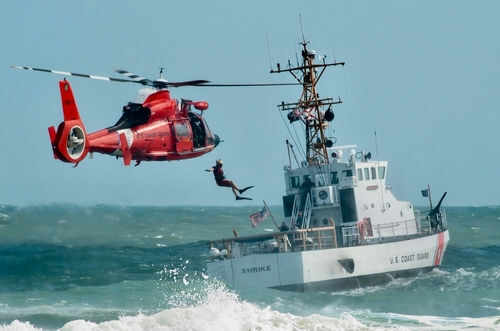
- San Francisco Fire Department and United States Coast Guard crews are using boats, helicopters, and computer models to search through the night.
- The sinking fits a long pattern of deadly accidents in the harsh wind and tide zone at the mouth of San Francisco Bay.
Deadly capsize shatters a day on the bay
On Tuesday afternoon, a Volare pontoon-style pleasure boat carrying about twenty people capsized and sank in San Francisco Bay roughly 600 yards from Alcatraz Island. What began as a short trip on calm-looking water turned into chaos as the vessel took on water amid rough, steep waves and then rolled over, throwing passengers into the cold bay. One person died, several were injured, and at least two to three people remain missing as of the latest official updates.
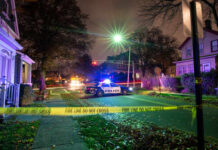
San Francisco Fire Chief Dean Crispen said crews first rushed out after a report of a vessel on fire near Alcatraz around mid-afternoon. When firefighters and the United States Coast Guard arrived, they found no flames, but instead a capsized triple-deck pontoon boat and dozens of people struggling in the water. Rescue teams pulled sixteen survivors from the bay, three of whom were taken to a local hospital in stable condition, while others were able to return safely to shore.
Search effort and confusion over what went wrong
Fire department leaders and Coast Guard officers say the operation quickly shifted from a possible fire response to a pure search and rescue mission once they saw the overturned vessel. Crews deployed about eleven boats, helicopters, and even private vessels, using computer modeling software to predict where missing passengers might drift in the strong currents. Officials have given slightly different counts over the day, but they now believe about twenty people were aboard, with one confirmed dead and multiple still missing as they continue searching into the night.
Chief Crispen told reporters that witness accounts point to rough seas and a boat that began taking on water before it flipped, not any onboard explosion or blaze. That matches live video and photos that showed no burn damage on the hull, adding weight to the updated story that early “fire” reports were simply wrong amid the panic. The vessel later sank in about 120 feet of water and was reported leaking fuel, raising the chance of an environmental review once the immediate search ends.
A danger zone with a long history of wrecks
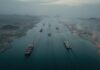
Maritime historians and federal ocean agencies have long warned that the entrance to San Francisco Bay is one of the most treacherous boating areas in the United States. Strong westerly winds from the Pacific slam into powerful tidal currents just east of the Golden Gate, building short, steep waves that can suddenly toss or “pitchpole” even large boats. Government sailing guides describe nearby areas such as Four Fathom Bank and Bonita Channel as especially dangerous when big ocean swells roll in.
These conditions have helped cause more than a hundred recorded shipwrecks in and around the bay and an estimated three hundred near the Golden Gate alone over the years. One famous case was the 1901 sinking of the passenger ship City of Rio de Janeiro near today’s Golden Gate Bridge, which killed 128 of the 210 people onboard after it struck hidden rocks in heavy fog. The Volare capsize now joins a long line of accidents that show how quickly a scenic boat ride can turn deadly when weather, waves, and human choices collide.
Shared worries about safety, oversight, and who is in charge
For many Americans who already feel government is not doing its job, this tragedy feeds a familiar worry: basic safety systems often seem weak until something goes very wrong. Families on both the left and the right may ask how a large triple-deck pontoon boat ended up in such a dangerous zone with rough seas, and whether rules for passenger counts, life jackets, and operator training were strong enough or enforced. Those questions touch the broader anger at officials who appear more reactive than proactive when lives are at stake.
People frustrated by rising costs, by what they see as “deep state” mismanagement, and by culture fights may see the Volare case as one more sign that core public duties like safety have slipped. This disaster does not neatly fit into talking points about immigration or energy policy, but it does spotlight the gap between the bay’s known risks and what everyday citizens are told when they book a day cruise. As investigators work to confirm the exact cause, the sinking near Alcatraz will likely fuel calls for clearer warnings, tighter rules, and less complacency from those in power.
Sources:
military.com, latimes.com, reuters.com, kqed.org, reddit.com, farallones.noaa.gov, youtube.com, apps.dtic.mil, oceantoday.noaa.gov, archive.org, baylightscharters.com