
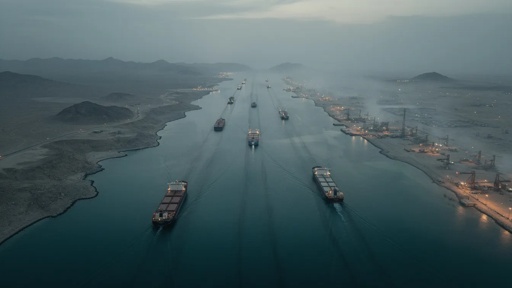
The Trump administration has moved to restart its Iran blockade and charge cargo ships in the Strait of Hormuz for safe passage, raising the stakes for global trade and American energy security.
Story Snapshot
- President Trump says the United States will again blockade Iranian ports and coastal traffic near the Strait of Hormuz.
- Military leaders say the blockade targets ships going to or from Iranian ports, not all traffic headed elsewhere.
- The administration signals plans to charge cargo ships for guarded transit through Hormuz after Iranian tolls and attacks.
- The showdown over Hormuz could hit world oil supplies and test freedom of navigation and U.S. naval power.
Trump Revives Blockade And Pledges Paid ‘Guardianship’ Of Hormuz
President Donald Trump has said the United States will reinstate its naval blockade against Iran in and around the Strait of Hormuz and begin charging cargo ships for safe passage through the waterway. Social media posts and regional outlets report Trump calling for the United States to act as the “guardian” of Hormuz and to block Iranian ships while protecting other traffic. Earlier in April, he had ordered the Navy to “BLOCKADE any and all Ships trying to enter, or leave, the Strait of Hormuz.”
Military statements and prior practice show a narrower mission than Trump’s early broad language. The existing 2026 blockade, imposed after peace talks in Islamabad failed, applied to “all ships, regardless of nationality, heading into or from Iranian ports,” but was “not a blockade of the Strait of Hormuz” itself. United States Central Command (CENTCOM) has stressed that ships transiting Hormuz to non-Iranian ports should keep freedom of navigation, even while enforcement along the Iranian coast remains aggressive.
How The Blockade Works And Who Pays The Price
The Strait of Hormuz is a narrow chokepoint linking the Persian Gulf to the Gulf of Oman, carrying large shares of the world’s oil and other goods. Under Trump’s orders, the Navy and joint forces began a blockade on April 13, 2026, at 10 a.m. Eastern Time, covering “the entirety of the Iranian coastline.” CENTCOM warned that any vessel entering or leaving that blockaded zone without authorization faced “interception, diversion, and capture,” and that boardings and even force could be used against ships that refused to turn around.
Reports from the Pentagon and major outlets say U.S. warships have already turned back dozens of commercial ships leaving Iranian harbors, including oil tankers and cargo vessels. In at least one case, U.S. forces opened fire, disabled, and then seized an Iranian-flagged ship near the Strait after commanders said it tried to evade the blockade. Officials claim the blockade has “completely stopped economic trade entering and exiting Iran by sea,” cutting off millions of barrels of Iranian oil each day from global markets.
Charging For Safe Passage After Iranian Tolls And Attacks
The new talk of charging cargo ships in Hormuz comes after Iran tried to use the strait as leverage by imposing steep tolls and even closing it to many commercial vessels. U.S. sources say Trump directed the Navy to intercept “every vessel in international waters that has paid a toll to Iran,” warning that “those who pay an illegal toll will not enjoy safe passage on the high seas.” Now, administration allies say the United States wants to replace Iran’s tolls with American-provided security and fees, making Washington the gatekeeper.
For conservative readers, the core question is whether this move defends freedom of navigation or slides into new forms of global control. Supporters argue that if Iran uses Hormuz as a weapon, mines the waters, or attacks ships, then a tough U.S. blockade backed by paid escorts restores order and punishes a hostile regime. Critics abroad, including some Western commentators, warn that charging for passage in a key strait could blur the line between protecting trade and controlling it, and will likely draw sharp protests from rivals like China and Russia.
Energy Markets, Allies, And The Risk Of Overreach
Energy analysts say every major move in Hormuz hits global oil flows. The original blockade was estimated to block about two million barrels of Iranian oil per day, tightening an already stressed market and pushing prices higher worldwide. Some allied and neutral nations worry that a paid American “guardianship” could deepen volatility, especially if Iran responds with more attacks on tankers, drones against U.S. bases, or efforts to mine the strait again. The standoff has already produced what one report called “a stalemate that is neither peace nor raging conflict.”
OUT: BREAKING – US to charge cargo ships in Hormuz and reinstate blockade.pic.twitter.com/HforuMauJy
— News Now (@NewsNowUS) July 13, 2026
Commanders say they are trying to balance firm pressure on Iran with respect for international law. Legal experts note that a full blockade of all traffic through the Strait would raise serious questions under the law of the sea, while a blockade limited to Iranian ports and coastal waters is easier to defend. CENTCOM has therefore drawn a clear line, insisting it “will not obstruct the freedom of navigation for ships transiting the Strait of Hormuz to and from non-Iranian ports,” even as it boards and redirects ships tied to Iran.
Sources:
insiderpaper.com, cbsnews.com, fdd.org, pbs.org, aljazeera.com, reuters.com, youtube.com, facebook.com, centcom.mil, stripes.com, theconversation.com