
An American-born pope just called world leaders “tyrants” from African soil while a sitting American president fumes thousands of miles away, and the global implications reach far beyond hurt feelings.
When an American Pope Rebukes an American President
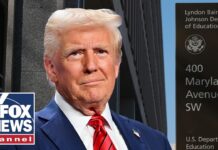
Pope Leo XIV chose Cameroon as the venue for some of the sharpest papal criticism of military policy in recent memory. The pontiff’s Thursday address condemned billions spent on destruction while resources for healing, education, and restoration go wanting. His specific phrase, “handful of tyrants,” represented unprecedented directness in linking papal peace advocacy to current superpower conflicts. The speech occurred during a broader Africa trip focused on global solidarity, yet the timing and phrasing left little doubt about contemporary targets. Trump’s preceding social media salvos against the Pope provided unmistakable context for what Vatican watchers are calling a bold geopolitical intervention.
The Pope’s rhetoric drew from traditional Catholic teaching on peacemaking while applying it with unusual specificity to modern warfare. He warned those who “manipulate religion” for military, economic, or political gain, a rebuke that resonates particularly given religious justifications sometimes cited in Middle Eastern conflicts. The pontiff contrasted the speed of destruction against the lifetime required for rebuilding, framing war expenditures as moral failures rather than mere policy disagreements. His message emphasized global communities “held together by a multitude of supportive brothers and sisters” against the ravages wrought by concentrated power wielded destructively.
The Peculiar Dynamics of This Papal-Presidential Clash
This confrontation carries unique weight precisely because both men claim American heritage. Pope Leo XIV’s status as the first American-born pontiff creates unusual dynamics when critiquing U.S. foreign policy. The irony of an American pope challenging an American president over military spending exposes deeper questions about national interest versus moral authority. Trump’s motivations tie to defending national security policy and maintaining his political base’s support for decisive Middle Eastern action. The Pope’s motivations rest in Catholic doctrine opposing unjust war and prioritizing resources for human development over weaponry.
The power dynamics reveal classic church-state tensions magnified by modern communications. Papal moral influence operates on different terrain than U.S. military and economic power, yet both command global attention. Trump’s social media attacks on the Pope marked the initial escalation, suggesting the administration felt threatened enough by papal criticism to respond publicly. The Pope’s subsequent Cameroon speech elevated the stakes, moving from defensive responses to offensive moral condemnation. This strains U.S.-Vatican diplomatic relationships while potentially influencing Catholic voters torn between religious and political loyalties.
What Gets Lost When Billions Fund Destruction
The Pope’s economic critique highlights opportunity costs rarely discussed in defense policy debates. Billions directed toward the U.S.-Israel conflict with Iran represent resources unavailable for global health, education, and infrastructure. African audiences hearing this message understand intimately how military priorities in distant conflicts affect development assistance availability. The pontiff’s framing forces uncomfortable questions about whether current military expenditures genuinely enhance security or merely enrich defense contractors while multiplying human suffering. His call resonates particularly among communities watching resources flow toward sophisticated weaponry while basic human needs go unmet.
The broader implications extend beyond immediate diplomatic tensions to influence international discourse on military spending justifications. Defense sectors face renewed moral scrutiny when the world’s prominent religious leader characterizes their activities as tyrannical ravaging. Peace advocacy organizations gain rhetorical ammunition from papal condemnation of war profiteering disguised as security policy. The framing potentially shifts political calculations for leaders concerned about moral legitimacy, though whether it changes actual policy remains uncertain. Catholic voters in America face especially pointed questions about reconciling religious teachings with political support for expansive military operations.
The Calculated Risk of Papal Directness
Pope Leo XIV’s willingness to deploy “tyrants” language represents a calculated departure from typical diplomatic papal phrasing. Previous popes criticized specific wars while maintaining careful distance from direct leader condemnation. This Pope’s approach suggests conviction that extraordinary circumstances demand extraordinary clarity, even at diplomatic cost. The strategy risks alienating powerful allies and provoking further retaliation from thin-skinned leaders, yet banking on moral authority transcending political consequences. Whether this gamble succeeds depends partly on how global audiences, particularly American Catholics, respond to their Pope confronting their president.
The feud’s continuation seems likely given neither party shows inclination toward de-escalation. Trump’s documented pattern of responding forcefully to perceived slights suggests additional social media attacks may follow. The Pope’s Africa trip itinerary provides multiple platforms for reinforcing his peace message and implicitly criticizing current military policies. The longer this plays out publicly, the more it forces other world leaders and religious figures to choose sides or articulate their own positions on military spending priorities. That broader conversation may ultimately matter more than the personal animosity between these two American-born global figures.