

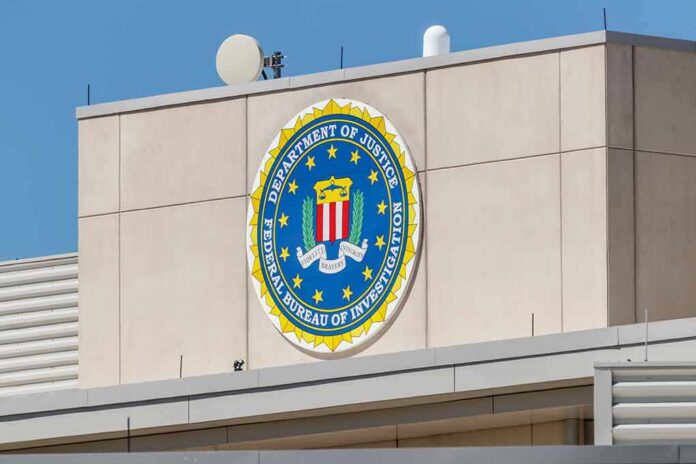
A planned October visit by Federal Bureau of Investigation (FBI) Director Kash Patel to Moscow and St. Petersburg signals a rare, high-stakes engagement with Russia, according to published reports.
Story Snapshot
- Politico reports Patel plans an October 14–15 visit to Moscow and St. Petersburg.
- The trip would be a rare move for a sitting FBI director and could still change.
- Russian Federal Security Service is likely to host the visit, reports say.
- The FBI has not publicly detailed goals for the meetings, leaving key questions open.
Reported Travel Plan And What Is Known So Far
Politico reported that FBI Director Kash Patel is planning to travel to Russia in mid-October with stops in Moscow and St. Petersburg, based on a United States official and a person familiar with the plans. Outlets that repeated the report said the tentative dates are October 14 and 15 and that the agenda is not public. Reporting also said the visit would be unusual for a sitting FBI director and that timing or details could still change as plans firm up.
The Jerusalem Post summarized that the Russian Federal Security Service, the successor to the Soviet-era KGB, is likely to host the meetings, citing the same Politico sourcing pipeline. None of the reports listed specific Russian officials on the schedule or topics for talks. The pattern fits a sensitive national security trip leaked before confirmation, where institutions keep quiet until logistics are settled and security is assured.
Why A Rare Russia Trip Matters To U.S. Interests
Federal Bureau of Investigation leaders rarely travel to Russia, so any planned visit draws notice. Such a trip can cover core U.S. interests like counterterrorism, cybercrime, sanctions evasion, and prisoner issues. Even in tense times, direct law enforcement channels can help stop threats against Americans. Careful engagement can also press Moscow on malign activity. When goals remain undisclosed, the key is to judge outcomes by what the United States gains for security and rule of law at home.
Conservative readers expect strength, transparency, and respect for the Constitution. A focused mission could advance those aims if it disrupts cyberattacks, blocks fentanyl precursors, or brings Americans home. At the same time, secrecy around the agenda invites noise from media that often spin against the Trump administration. Until the FBI confirms details, the prudent view is to track the facts, demand accountability on results, and measure the trip by concrete wins that protect families and freedoms.
How The Media Cycle Shaped Early Reactions
Multiple outlets quickly echoed the Politico sourcing with similar dates, cities, and caveats, showing a common media pattern where unnamed-source travel stories harden before official comment. That fast echo can stir speculation that outruns facts. The strongest claim supported across reports is narrow: a planned, not final, October visit to Moscow and St. Petersburg, with an undisclosed agenda and possible host from the Russian security service. Readers should separate that firm core from commentary and conjecture.
The last FBI director to visit Russia was Robert Mueller in 2013, who went on to lead the investigation into Russian interference in the 2016 election that Trump's presidency was built on denying. Kash Patel spent the years between Trump's terms as the most prominent voice… https://t.co/PAw0W7tsap pic.twitter.com/uJZTiP4ukI
— Mike Young (@micyoung75) July 22, 2026
Balanced scrutiny still matters. Moscow’s security services will look for leverage in any meeting. U.S. officials know that and can plan to guard against traps. The test is whether the United States uses the talks to push back on crime, cyber intrusions, and threats, not to grant favors. If the trip happens, the administration should brief Congress on scope and outcomes while protecting sensitive operations. Results, not headlines, are what count for American families.
Sources:
thegatewaypundit.com, themoscowtimes.com, rt.com


![🇺🇸|🇱🇧 President Donald Trump Meets President of Lebanon Joseph Aoun at The White House [LIVE]](https://beyondnews.org/wp-content/uploads/sites/2/2026/07/maxresdefault-15-218x150.jpg "Oval Office Shock: Lebanon’s Leader Steps In")
![🇺🇸|🇱🇧 President Donald Trump Meets President of Lebanon Joseph Aoun at The White House [LIVE]](https://beyondnews.org/wp-content/uploads/sites/2/2026/07/maxresdefault-15-100x70.jpg "Oval Office Shock: Lebanon’s Leader Steps In")