
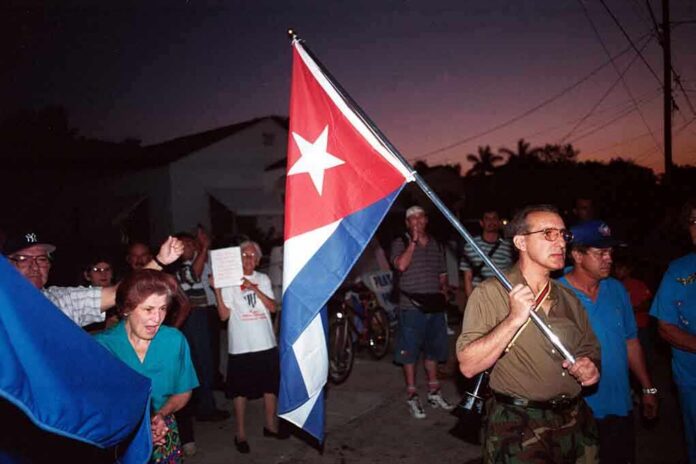
A newly released State Department report links a Cuba-tied activist network to plans for protests at U.S. military bases and Immigration and Customs Enforcement sites, raising urgent national security concerns.
Story Highlights
- State Department cites a “National Rapid Response Plan” targeting bases, Immigration and Customs Enforcement facilities, and federal buildings.
- Report links the National Network on Cuba to a sanctioned Cuban government entity, the Cuban Institute of Friendship with the Peoples.
- Justice and Treasury officials are probing 145 nonprofits for alleged coordination with Cuban officials.
- Report notes gaps on direct orders or funding, but flags overlapping ties among six U.S. activist groups.
What The State Department Says Is Planned
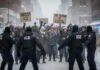
State Department analysts point to a public “National Rapid Response Plan” that calls for protests within twenty-four hours at U.S. military bases, Immigration and Customs Enforcement offices, and federal buildings. The plan was distributed by the National Network on Cuba, a coalition of more than sixty groups. The report describes a coordinated mobilization model that can scale quickly across cities. It warns that the targets chosen include sensitive federal locations with security risks if overwhelmed.
The report highlights six U.S. organizations whose activities or leaders overlap with pro-Cuba advocacy and travel. It cites Code Pink, the People’s Forum, and the National Lawyers Guild among the groups. It notes a 2026 National Lawyers Guild resolution pledging work with the National Network on Cuba. It states Manolo de los Santos of the People’s Forum traveled to Cuba for years and appeared in regime media. It adds a funding claim tied to Neville Roy Singham for Code Pink since 2017.
Why Cuba’s ICAP Sanction Matters
The State Department identifies the Cuban Institute of Friendship with the Peoples as a Cuban government entity that helps develop and fund the regime’s revolutionary network. In June, the department sanctioned the institute for backing subversive, anti-American activities. That designation treats the institute as part of an influence machine, not a neutral exchange group. The report ties the National Network on Cuba to that institute’s outreach, strengthening concerns about foreign-directed activism.
Officials argue that when a foreign state organ touches domestic organizing, even “peace” protests can become tools to strain U.S. defenses. The plan’s focus on bases, Immigration and Customs Enforcement, and federal buildings signals pressure points. These sites handle national defense, border enforcement, and security work. Disruptions there can drain law enforcement, risk clashes, and spark propaganda wins overseas. That is why the State Department frames the network as a national security issue rather than routine protest politics.
What Investigators Are Probing Right Now
Fox News Digital reports that the Department of Justice and the Department of the Treasury are investigating one hundred forty-five nonprofits and leaders for alleged coordination with Cuban officials. The probe reportedly includes Code Pink, the People’s Forum, and the National Network on Cuba. Officials are looking at lobbying, travel delegations, messaging, and fundraising patterns that could indicate foreign influence. The investigation is ongoing, and no charging documents are public at this time.
The State Department report underscores several items that raise red flags but do not yet prove command-and-control. It concedes it is unclear how deeply each of the six named organizations took part in the rapid response plan. It does not name specific Cuban intelligence officers directing U.S. protests. It does not provide audited records proving the cited funding share for Code Pink. These gaps are important, but the overlapping ties and targets still warrant federal attention.
How Counter-Claims Stack Up
The National Network on Cuba rejects the report and says Cuba does not support terrorism. The network frames the rapid response plan as a lawful anti-war strategy, not a foreign-directed plot. However, the counter-claims do not refute the central fact that the institute in Cuba is a sanctioned state entity tied to influence efforts. They also do not provide audited finances or testimony to rebut the specific links flagged by federal officials. That leaves the core national security concerns intact.
State Department Report: Cuba-Linked Activists Now Planning Protests at US Bases, ICE Siteshttps://t.co/nHk22kKKib
— RedState (@RedState) July 20, 2026
Americans can hold two truths at once. Peaceful protest is a core right. Foreign regimes using protest networks to target defense and enforcement hubs is a core threat. The way forward is sunlight. Congress and the administration should push for records: declassifications where safe, financial filings, and sworn testimony. If the case is strong, facts will show it. If not, transparency will clear the field. Until then, base and Immigration and Customs Enforcement security should remain tight.
Sources:
redstate.com, en.cibercuba.com, state.gov