
The media is asking the wrong questions about the hantavirus outbreak aboard cruise ship MV Hondius, focusing on personal fear instead of real public health response. Eleven confirmed cases and three deaths have sparked panic-driven headlines, but the actual story reveals how crisis framing distorts disease coverage and undermines rational public discourse.
The Panic Machine in Full Swing
News outlets have bombarded audiences with sensational questions about whether they should worry, fear, or panic about hantavirus. The answer is predictably no—public health officials can only offer reassurance when asked about personal risk. World Health Organization Director-General Tedros Adhanom Ghebreyesus told Tenerife residents this is not another COVID. CDC Acting Director Jay Bhattacharya echoed the message on CNN, urging against public panic. But this reassurance-only framework flattens the complexity of an actual outbreak with limited person-to-person transmission, no vaccine, and a 40 percent fatality rate.

Hantavirus: Have We Learned Nothing? The Fear Machine Is Starting Again. This Time, You Should Recognize It.
Response System Working Despite Initial Chaos
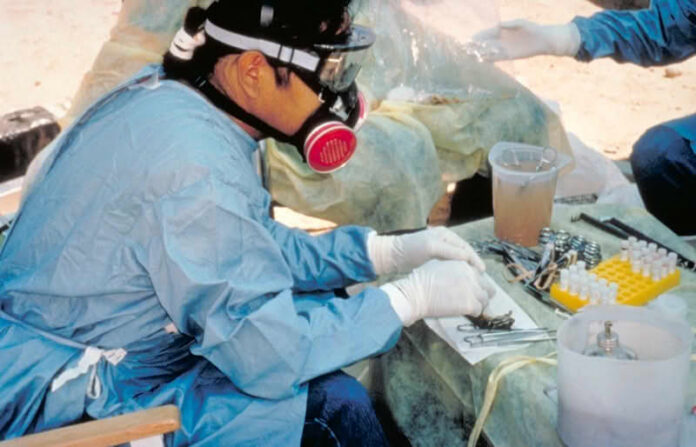
Spain accepted passengers at Tenerife despite local objections, meeting them with hazmat-suited workers on the dock. Eighteen American passengers flew home in planes equipped with special biocontainment equipment and entered quarantine units for symptom monitoring. Other passengers worldwide face isolation and surveillance. The response appears functional after early dysfunction caused by the unusual nature of a seaborne hantavirus outbreak, which typically spreads through rodent droppings in rural settings.
The Real Problem With Fear Framing
The gap between official reassurance and visible crisis creates fertile ground for misinformation. Social media influencers predict human extinction while reporters press officials for sound bites about public safety. The implicit message is that audiences should only care about disease outbreaks when personally threatened. This approach ignores the legitimate concern that a respiratory virus with 40 percent mortality and some human transmission represents a genuine public health challenge, even if pandemic risk remains low. The fear-or-nothing framework serves neither truth nor preparedness.
What Responsible Coverage Requires
Effective disease reporting must balance reassurance with reality. The hantavirus outbreak is contained but serious—not an existential threat but worthy of attention beyond personal anxiety. Media outlets that reduce every outbreak to a binary question of individual fear fail their audiences by obscuring actual response challenges and creating space for conspiracy theories. Americans deserve coverage that treats them as citizens capable of understanding nuanced public health situations, not panic-prone children requiring constant soothing.