
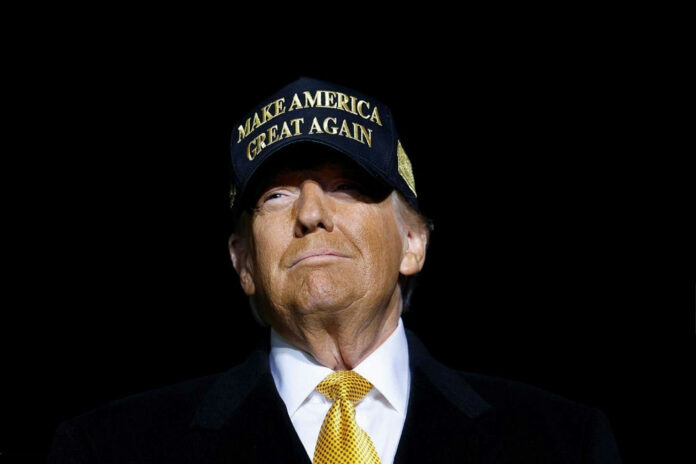
Democrats in Congress launch politically motivated probe into President Trump’s constitutional pardons, targeting over a dozen recipients in a desperate bid to undermine his administration ahead of midterms.
Democrats Initiate Investigation Without Authority
Representatives Dave Min and Raul Ruiz, alongside Senator Peter Welch, sent letters on May 7, 2026, to over a dozen recipients of President Trump’s pardons and commutations. The probe accuses “pay-to-play dynamics,” claiming wealthy donors received clemency via Trump-connected lawyers and lobbyists. Democrats lack majorities in Congress, stripping them of subpoena power. This voluntary request for documents on contracts, communications, and donations positions as a precursor to midterm power grabs in November 2026. Rep. Min warned non-responders risk future scrutiny, despite no current enforcement.
Presidential Clemency: A Constitutional Safeguard
The U.S. Constitution grants the president broad, unreviewable clemency power, historically used for humanitarian cases, miscarriages of justice, and rehabilitation. Trump exercised this authority starting January 20, 2025, pardoning figures like Trevor Milton in March 2025, who served time for investor fraud before $680 million restitution relief. White House officials confirmed Milton’s $3 million campaign donations played no role. Democrats’ claims ignore Supreme Court precedent viewing clemency as an “act of grace” for public welfare, not subject to congressional override.
High-Profile Recipients and Victim Narratives
Trevor Milton, Nikola founder, received pardon after four-year sentence. David Gentile’s commutation erased $15.5 million restitution from his $1.6 billion Ponzi scheme impacting 17,000 victims. Changpeng Zhao, Binance billionaire, gained clemency post-money laundering plea via intermediaries like Ches McDowell, friend of Donald Trump Jr. Joseph Schwartz served three months of a three-year tax fraud term. Julie and Todd Chrisley obtained full pardons in May 2025 after fraud convictions. These actions align with first-term patterns pardoning allies like Roger Stone, contrasting Biden’s 1,900 drug offender commutations.
Democratic framing emphasizes nearly $2 billion in waived restitution, shifting focus from criminals’ served sentences to political attacks. Victims’ advocates note compensation burdens, yet clemency upholds executive prerogative over endless penalties.
Partisan Motivations and Limited Impact
Jamie Raskin publicly decried “pay-to-play” pardons, while Senate Democrats flagged Gentile’s case. With no legal recourse to reverse pardons, the probe relies on narrative control ahead of midterms. Justice Department officials expressed frustration, but Trump’s pardon czar Alice Marie Johnson facilitated decisions prioritizing redemption. Intermediaries like Trey Gowdy and Teresa Goody Guillén represent standard lobbying, not corruption. This investigation energizes Democrats’ base but holds no teeth, underscoring tensions between oversight ambitions and constitutional limits.
Sources:
Trump pardon recipients face congressional investigation over ‘pay-to-play’ questions (CBS News)
Related coverage on Trump pardons
California Governor’s Office analysis
House document on investigation
Wikipedia: List of people granted executive clemency in the second Trump presidency