

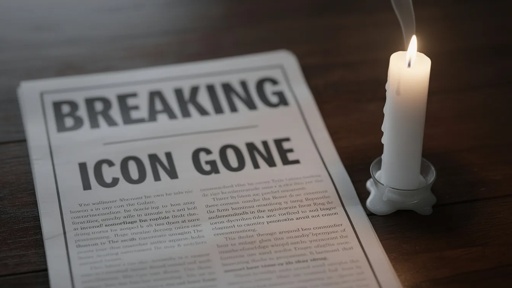
Wayne Moss, the legendary Nashville session guitarist whose unmistakable riffs shaped timeless American music from Roy Orbison to Bob Dylan, has died at 88, leaving behind a legacy that transcends politics yet reminds us of an era when American craftsmanship and individual excellence built cultural foundations without government subsidies or woke agendas.
Behind-the-Scenes Architect of American Music
Wayne Moss built his career not through celebrity but through relentless skill and professionalism, a work ethic that defined an era before participation trophies and self-promotion became cultural norms. Born February 9, 1938, in South Charleston, West Virginia, Moss relocated to Nashville in 1959 when the city was establishing itself as the epicenter of American music production. His guitar became the backbone of recordings that continue to define American cultural identity, from Roy Orbison’s “Oh, Pretty Woman” to Bob Dylan’s groundbreaking Blonde on Blonde album.
Studio Founder and Creative Pathfinder
Moss founded Cinderella Sound recording studio in 1961, positioning himself not merely as a hired musician but as an entrepreneur who created opportunities for other artists. This independent business remains Nashville’s oldest continuously operating independent studio, a testament to sustainable enterprise built on excellence rather than government handouts or corporate consolidation. Country Music Hall of Fame CEO Kyle Young characterized Moss as “a musical torchbearer and a creative pathfinder who left his own resounding stamp on music history,” recognizing the self-made success that conservatives understand drives genuine achievement.
Defining Recordings Across Multiple Genres
Moss’s guitar work appears on Dolly Parton’s “Jolene” and Waylon Jennings’ “Only Daddy That’ll Walk the Line,” demonstrating versatility that came from mastering his craft rather than relying on studio technology or production gimmicks. He co-founded Area Code 615, whose debut earned a GRAMMY nomination, and Barefoot Jerry, expanding his influence beyond session work. His compositions were recorded by Chet Atkins, Jerry Reed, Willie Nelson, and the Oak Ridge Boys, artists who built careers on talent and hard work rather than manufactured controversy or political posturing.
Television Exposure and Enduring Recognition
Moss served 15 years in the Hee Haw house band, bringing his professionalism to millions of Americans who appreciated wholesome family entertainment before networks embraced content that undermines traditional values. He earned induction into the Country Music Hall of Fame as a Nashville Cat in 2009 and the West Virginia Music Hall of Fame in 2013, honors reflecting peer recognition rather than political correctness or diversity quotas. Roy Orbison Jr. paid tribute, posting: “My dear friend, the great guitarist Wayne Moss, has died. We love you Wayne,” emphasizing personal relationships built on mutual respect and shared creative excellence.
Legacy of Craftsmanship and Independence
Moss’s death marks the passing of a generation that understood excellence requires discipline, practice, and commitment to craft—values that built America’s cultural dominance before government subsidies for the arts and entertainment became vehicles for leftist propaganda. His guitar work remains embedded in recordings that continue shaping how Americans understand their musical heritage, a permanent legacy no amount of revisionist history can erase. Cinderella Sound’s continued operation demonstrates how private enterprise, not government intervention, sustains cultural institutions across generations, preserving the creative freedom that allows artists to pursue excellence without political constraints or bureaucratic oversight.
Sources:
Nashville Cat Wayne Moss, Whose Guitar Defined an Era, Dead at 88