

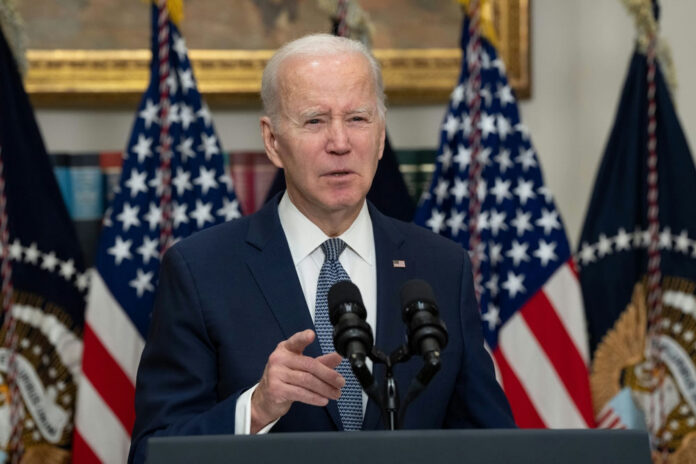
Former President Joe Biden’s upcoming memoir faces a potential reckoning as conservative groups intensify their fight to release 70 hours of audio recordings that could expose contradictions between his polished narrative and damaging admissions about mishandling classified documents.
The Memoir and the Million-Dollar Question
Joe Biden’s forthcoming third memoir, reportedly part of a $10 million book deal, is positioning the former president for a potentially embarrassing collision between his crafted legacy and the raw evidence documented by Special Counsel Robert Hur. Biden’s earlier memoirs, “Promises to Keep” in 2007 and “Promise Me, Dad” in 2017, relied heavily on recorded conversations with ghostwriter Mark Zwonitzer. Those same recordings, approximately 70 hours in total, have now become the centerpiece of a legal and political battle that threatens to undermine whatever narrative Biden attempts to construct in his latest literary effort.
Hur Report Exposes Willful Mishandling
Special Counsel Robert Hur’s February 2024 report concluded that Biden “willfully retained and disclosed” classified information to his ghostwriter, including references to sensitive Afghanistan policy memos from his vice presidency. Despite finding willful misconduct, Hur recommended no charges, partly characterizing Biden as “a well-meaning, elderly man with a poor memory.” That description alone sparked political firestorms, but the substantive findings are more damning. The report documents that Biden used notebooks containing classified information as source material for his memoirs and shared that content orally with Zwonitzer, who lacked security clearance. Biden’s defenders emphasize his cooperation, yet the facts reveal carelessness with national security that would likely have resulted in prosecution for ordinary citizens.
The Tape Battle and Government Stonewalling
Heritage Foundation’s Oversight Project, led by director Mike Howell, has filed lawsuits and Freedom of Information Act requests to force the release of Biden’s audio recordings with both Hur and Zwonitzer. Howell argues the tapes will “prove the massive lie regarding Biden’s fitness for office and the fact Biden revealed classified information.” The DOJ and White House have fought these efforts aggressively, claiming the audio serves no public interest despite releasing transcripts. Biden spokesperson TJ Ducklo insists Biden cooperated on the condition the tapes remain private, framing the dispute as protecting investigative norms rather than hiding embarrassing evidence. Yet this rings hollow to many Americans who see a two-tiered justice system protecting political elites while prosecuting others for far less.
House Republicans have joined the fight, seeking the recordings as part of congressional oversight. The separation-of-powers clash pits legislative accountability against executive privilege, but the underlying issue is transparency. If Biden truly has nothing to hide and fully cooperated as claimed, why the resistance? The February 2017 recording in which Biden admits finding “all the classified stuff downstairs” directly contradicts his public statements denying he shared classified information. That single line, documented in Hur’s report, suggests the full audio could reveal a pattern of casual disregard for security protocols that voters deserved to know about before the 2024 election—and that readers of his memoir deserve context for evaluating his claims.
A Looming Humiliation
The convergence of Biden’s memoir rollout with ongoing legal battles over the tapes sets the stage for potential humiliation that transcends partisan politics. Memoirs are carefully crafted instruments of legacy-building, designed to present a president’s decisions in the most favorable light. Biden’s third book will likely attempt to justify controversial policies and frame his presidency as successful despite low approval ratings. But if the Heritage Foundation or Congress succeeds in obtaining and releasing the audio recordings, the juxtaposition between Biden’s polished memoir narrative and his own recorded words discussing classified material could be devastating. This isn’t about left versus right; it’s about accountability and the public’s right to know whether government officials handle sensitive information responsibly or recklessly endanger national security for personal profit from book deals.
Mark Zwonitzer, Biden’s ghostwriter, deleted some recordings after learning of the investigation, according to Hur’s report, though Hur declined to prosecute him. That detail alone raises questions about what might have been preserved versus what was scrubbed. For ordinary Americans frustrated with elites playing by different rules, this entire episode reinforces the perception that Washington insiders protect their own while the rest of the country faces harsh consequences for far lesser infractions. Biden’s memoir may sell based on name recognition, but its credibility and his legacy hang in the balance of a transparency fight his own administration is losing in the court of public opinion.
Sources:
Joe Biden’s memoir will humiliate him – The Spectator
Biden special counsel report on handling classified documents – CBS News
Report from Special Counsel Robert K. Hur – February 2024 – Department of Justice