
U.S. forces struck Iranian military targets after officials said Iran hit three commercial ships in the Strait of Hormuz, ending any pretense of a ceasefire.
Story Highlights
- U.S. Central Command said it hit Iranian air defenses, radar, anti-ship sites, and small boats
- Officials linked the strikes to Iranian attacks on three commercial vessels in a vital waterway
- Treasury moved to choke Iranian oil sales after the attacks on civilian shipping
- Iran denied blame, but offered no public proof to counter U.S. claims
CENTCOM Details Targets Hit Inside Iran
United States Central Command said American forces launched a series of powerful strikes inside Iran. Commanders said targets included air defenses, radar sites, anti-ship missile locations, and dozens of Islamic Revolutionary Guard Corps small boats. Leaders framed the action as a direct response to attacks on commercial ships crewed by civilians in international waters. Officials described Iran’s actions as dangerous and a clear break of a ceasefire tied to an interim deal, according to major reports of the statement.
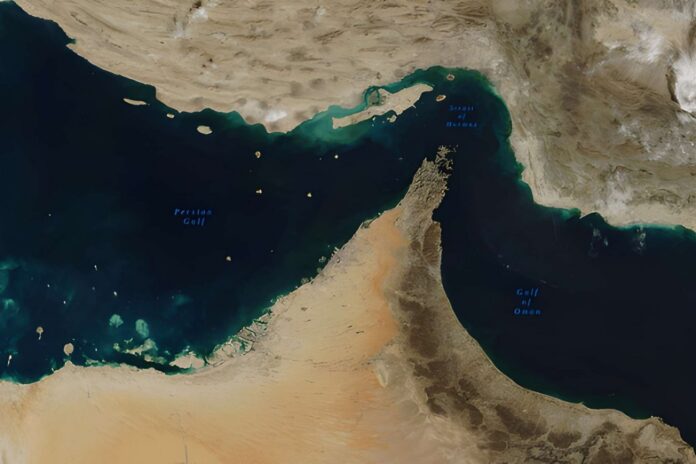
Two United States officials told a national news outlet that Iran’s Islamic Revolutionary Guard Corps hit three oil tankers across two days. The attacks took place in the narrow Strait of Hormuz, where one-fifth of the world’s oil moves each day. Those officials said the strikes aimed to raise costs on Tehran for endangering trade and crews. The military’s language stressed that the response was measured but firm after repeated threats to civilian shipping lanes.
White House Pressure and Financial Squeeze on Tehran
The United States Treasury Department revoked a waiver that let Iran sell oil and petrochemicals. The department cited Iran’s actions against civilian vessels as wholly unacceptable. Cutting this waiver hits the regime’s main cash source and lines up pressure across military and financial fronts. The move signals that Washington will not let Tehran profit while it targets crews and ships that keep energy and goods moving for families and businesses worldwide.
President Donald Trump had said the ceasefire was over after the latest ship attacks. Military statements then linked Iran’s actions to a violation of that deal. While the exact text of the ceasefire has not been published in the available material, commanders still tied their response to restoring safe passage. The focus stayed on protecting innocent sailors and deterring more strikes on the global oil lifeline through the Strait of Hormuz.
What We Know, What We Do Not, and Why It Matters
Reports state that Iranian units attacked three tankers and that United States forces then hit Iranian military sites. Those are the key claims. However, the public has not seen independent maritime verification, weapon debris analysis, or crew testimony from the targeted ships in the cited material. The government has not released video or coordinates of the tanker attacks in these sources. Those gaps do not erase the threat, but they limit what citizens can verify today from open reports.
Iran has denied responsibility for hitting commercial ships. Tehran has not released hard evidence, such as radar logs, camera feeds, or sworn crew statements, to back that denial in the cited reporting. That leaves the public weighing official American statements against Iranian denials without shared data. In past crises, verification has been slow. Citizens deserve clarity, but they also deserve action that keeps sea lanes open and keeps American troops and allies safe while the facts are documented.
The Stakes for Energy, Alliance Politics, and American Security
The Strait of Hormuz is a chokepoint for global energy. Every attack there risks price spikes that hit American families at the pump and raise costs across the economy. United States officials say guiding ships and hitting launch sites protect freedom of navigation, a core principle that keeps trade moving. If Iran thinks it can tax or terrorize the strait, every cargo ship becomes a hostage. Deterrence now may prevent a larger, costlier conflict later.
Some allies may worry about escalation or prefer statements over action. But American leaders must first guard our people, our economy, and our basic rights. The Constitution tasks Washington with defending the nation and ensuring safe commerce. Protecting neutral shipping is part of that duty. The administration paired strikes with financial pressure, signaling resolve without disguising the costs. As more evidence is released, Congress and the public should demand transparency while backing security that keeps our seas free.