

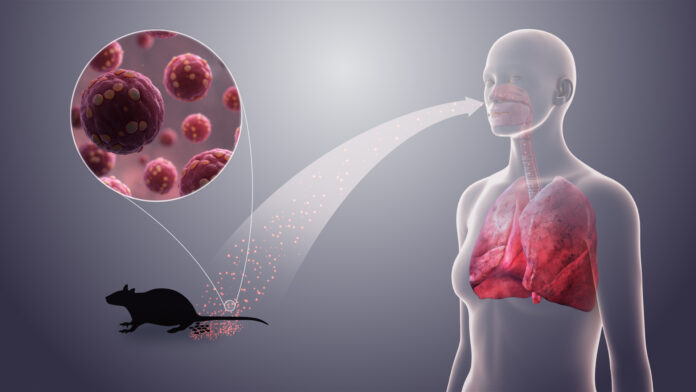
Three passengers have died and at least six people are infected with hantavirus aboard a cruise ship sailing the Atlantic Ocean. The MV Hondius departed Argentina and sailed to Cape Verde when the deadly outbreak struck, leaving one passenger fighting for life in a South African intensive care unit. The World Health Organization confirmed one laboratory-verified case with five additional suspected infections, marking a rare person-to-person transmission of the typically rodent-borne virus.
Deadly Outbreak Claims Lives at Sea
A 70-year-old male passenger and his 69-year-old wife, both possibly Dutch nationals, died from the infection. A 69-year-old British man was evacuated to a South African hospital where he remains in critical condition. Additional ill passengers are hospitalized in Cape Verde, off West Africa’s coast, with possible isolation protocols in place. The WHO emphasized that while hantavirus typically spreads through contact with infected rodent urine or feces, rare person-to-person transmission can occur and lead to severe respiratory illness requiring intensive monitoring.
Rodent Exposure Triggers Investigation
Hantavirus infections are typically linked to environmental exposure to rodents, raising urgent questions about how passengers encountered the deadly pathogen aboard a cruise vessel. The WHO told Agence France-Presse that detailed investigations are ongoing, including extensive laboratory testing and epidemiological studies. Medical teams are providing care and support to all passengers and crew while scientists work to sequence the virus strain. The organization is coordinating with authorities to evacuate additional symptomatic passengers from the ship for treatment.
Rare Disease Demands Urgent Response
The outbreak represents an unusual case of hantavirus transmission in a maritime setting. While the disease remains rare, it can prove fatal when it progresses to severe respiratory illness. Health officials are racing to determine the source of contamination and whether ship conditions allowed rodents access to passenger areas. The vessel’s route from Argentina through the Atlantic to Cape Verde is now under scrutiny as investigators piece together how multiple passengers became exposed to the deadly pathogen in what should have been a controlled environment.